The Healing in Communion Philosophy
We believe trauma changes the way we relate—to ourselves, to others, and to the world. Because trauma often happens in relationships, we believe healing happens in relationships, too.
Healing in Communion exists to create a therapeutic relationship where clients can safely reconnect with themselves, process the impact of trauma, and develop new ways of relating that extend beyond the therapy room. Our work is grounded in the belief that when one relationship heals, healing has the capacity to ripple outward into families, communities, and future generations.
Land Acknowledgment
We begin by honoring the Indigenous peoples whose ancestral lands we inhabit and whose relationships with this land continue today. We acknowledge the Tonkawa, Lipan Apache, and other Indigenous communities who have cared for these lands now known as Austin and Central Texas since time immemorial. We recognize the histories and ongoing presence of Indigenous peoples and honor their enduring relationship with the land, water, and all living beings. May this acknowledgment invite us into deeper responsibility, humility, and connection with the communities and places we serve.
Our Core Principles
Healing is Relational
We believe people are not meant to heal in isolation.
Trauma often develops within relationships through abuse, neglect, violence, betrayal, oppression, or repeated experiences of not being seen, protected, or understood. Therapy offers the opportunity to experience something different: a relationship rooted in safety, authenticity, consistency, and compassion.
We do not believe therapists fix people. Rather, healing emerges through secure connection and each person's innate capacity for growth and repair.

We Treat the Whole Person
Trauma affects far more than thoughts or behaviors.
It shapes the nervous system, emotions, body, identity, relationships, and sense of safety. Because every person's story is unique, treatment is never one-size-fits-all.
We thoughtfully integrate EMDR, somatic approaches, narrative therapy, expressive arts, CBT, DBT, emotional regulation, and other evidence-based interventions to meet each client's individual needs.
We Honor Context
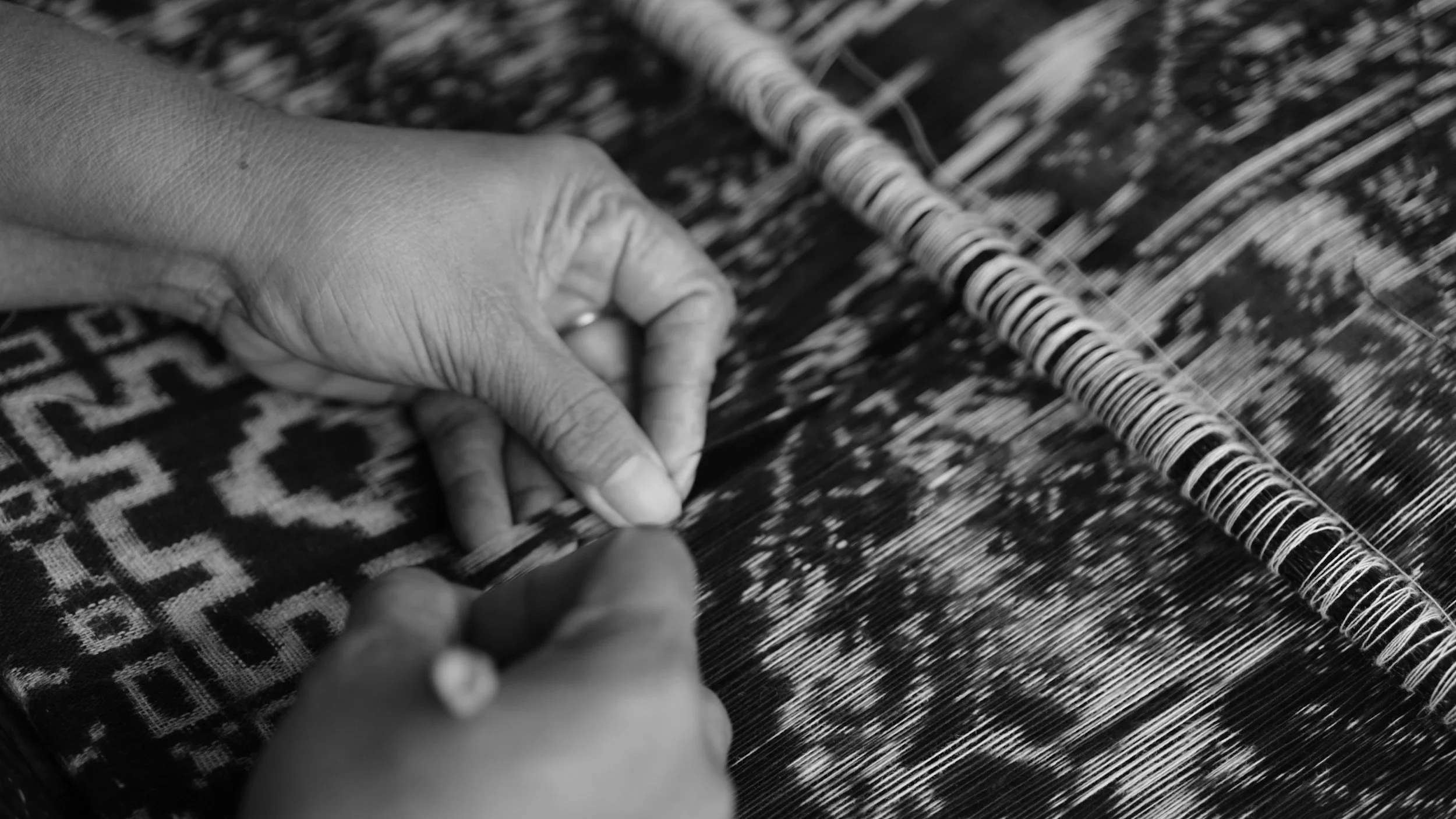
People cannot be understood outside the contexts that shaped them.
Healing in Communion approaches every client through both personal and systemic lenses, recognizing that family dynamics, attachment, intergenerational trauma, culture, identity, community, oppression, and privilege all influence how we survive, make meaning, and relate to ourselves and others.
We believe every story deserves to be witnessed before it is understood. Healing begins by honoring the relationships, histories, cultures, and systems that have shaped who we are.

Healing Creates Ripples
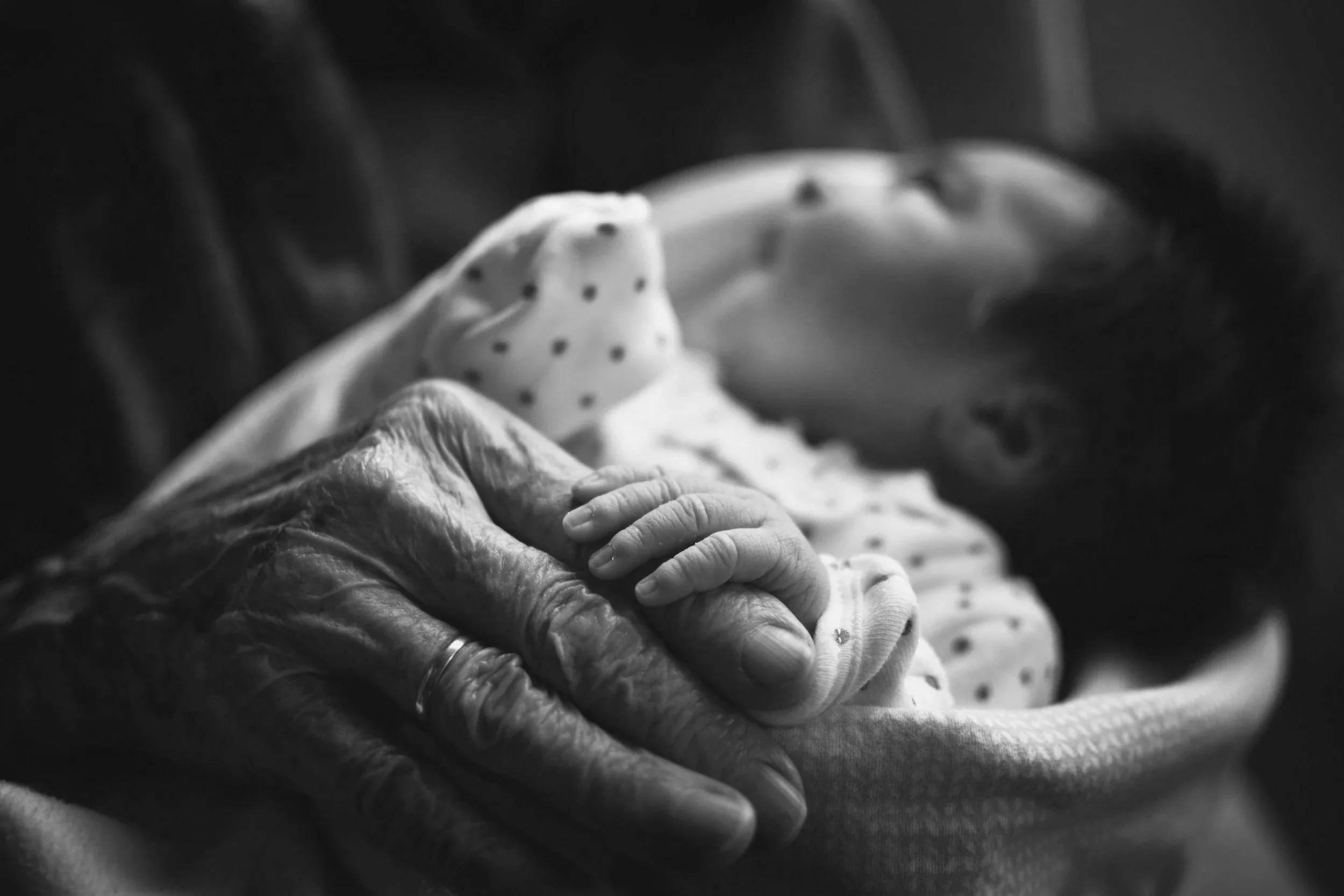
As clients develop greater self-compassion, emotional safety, and secure relationships with themselves, those changes naturally extend into their relationships with partners, children, families, workplaces, and communities.
We believe healing has the power to interrupt cycles of trauma and create new patterns of connection that can be carried across generations.
What Makes Healing in Communion Different
At Healing in Communion, we don't begin with the question, "What's wrong with you?"
We begin with:
"How did you survive?"
"What relationships shaped the way you learned to see yourself?"
We don't view symptoms as problems to eliminate. We understand them as adaptations that once helped people survive.
Rather than trying to fix clients, we work collaboratively to understand the wisdom behind those adaptations while helping clients build new ways of relating to themselves, others, and the world.
Our work is trauma-informed, evidence-based, culturally responsive, and deeply relational.